PATINation
Patina is where a bronze finds its color — and it's arguably the step that most defines the finished work. The same metal can read as deep black, warm mahogany, vivid copper, brilliant green, or soft pastel, and getting there is chemistry, heat, and a trained eye working together. Patina is our specialty. Co-owner Robert has been patinating since 1982 and was among the first to bring Imron lacquer finishes to bronze in the 1990s; his son and co-owner Carroll did his first large patina in 2000, at twelve years old. Between them, they've spent decades pushing what the patina process can do for contemporary artists and sculptors.
Patina is a chemical reaction, and it happens in a narrow window — often within ten to twenty degrees of surface temperature. Too hot and the chemical burns; too cool and it won't take. Reading the metal as it colors and knowing exactly when to push and when to stop is where decades of experience earn their keep.
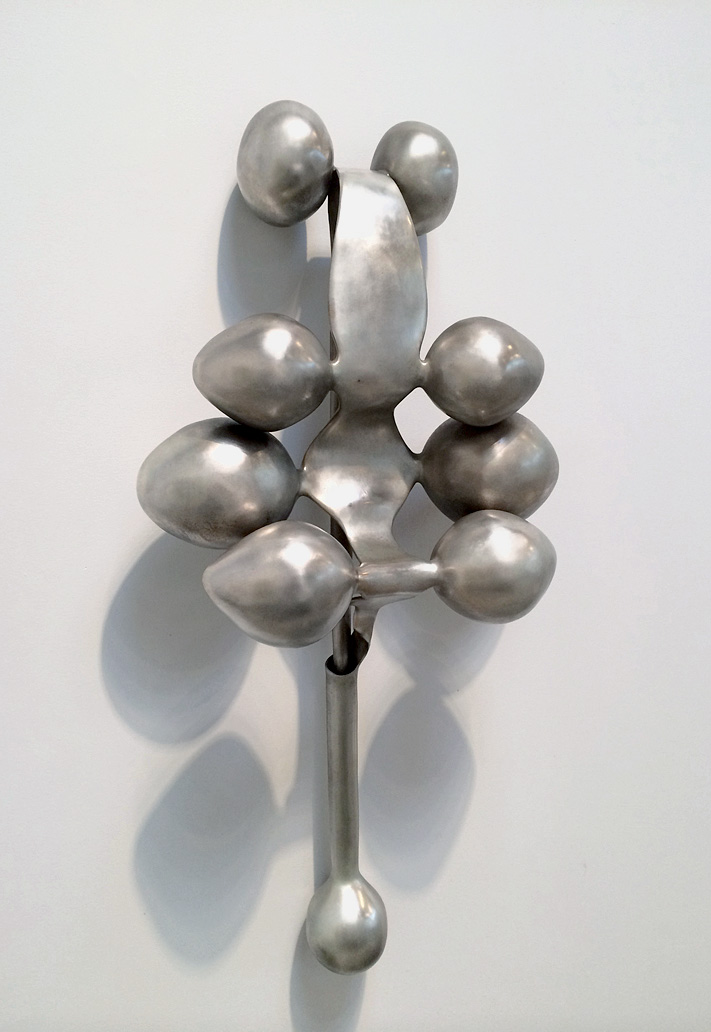
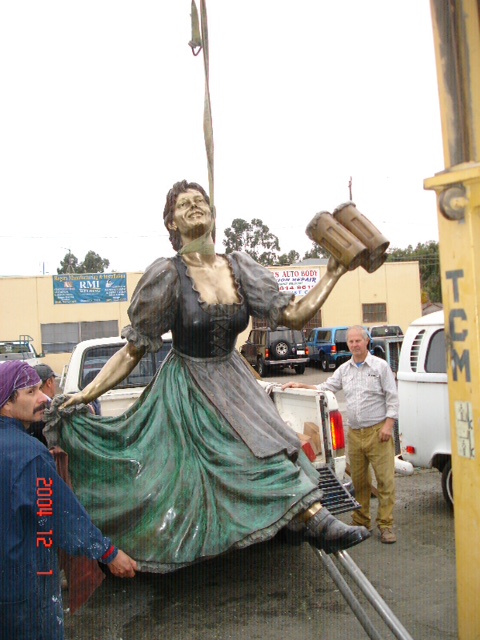
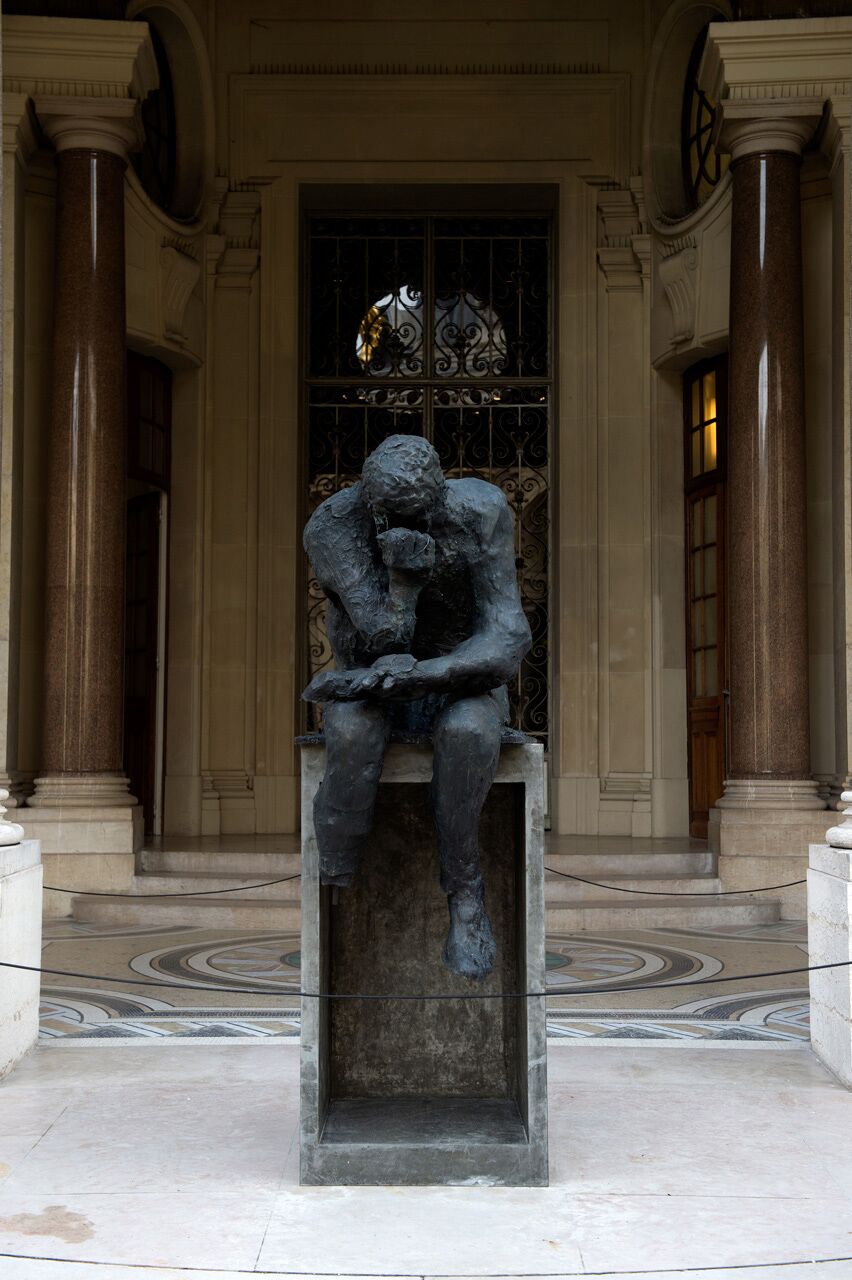
We work in the full traditional palette. Ferric nitrate covers an enormous range on its own — deep ochre, mahogany, vivid reddish-copper, and warm orange tones — and it has the advantage of being inherently protective outdoors. Cupric nitrate opens up the cool end of the spectrum: deep viridian greens and the soft, sea-glass blue-greens of weathered bronze. Cobalt nitrate gives richer, darker, iridescent shades, and ferric layered with pigment produces deep, true blacks. For monumental work, we specialize in traditional finishes built on liver of sulfur and ferric. We've also pioneered high-polish mirror finishes for artists who want bronze read as bright, reflective metal.
A few finishes are signatures of the shop. Our pastel white comes from a formula we've used for more than 30 years: brushed or bottled onto the surface, the brushwork leaves a marbled effect, sometimes with a touch of ferric worked in for a subtle ochre cast. Some clients prefer a rub-out with liver of sulfur for a darker, oil-rubbed look, or a simple glass-bead finish for a uniform satin-to-gloss surface. And Carroll is widely known for his silver nitrate patina — a near-chrome, silver-plated brilliance on smooth surfaces that turns complex and pewter-like over coarser texture.
The range is easiest to see in a single piece. We recently patinated a sculpture of a fast-food combo meal, calibrating a different chemistry for every element: a warm orange ferric for the Fanta soda can; a hotter ferric over light liver of sulfur for the reddish fry box; a golden tone for the burger bun with pastel white sesame seeds; cupric nitrate with a touch of viridian pigment for the lettuce; pastel white for the onion; a dark mahogany of ferric and liver of sulfur for the patty; and more cupric viridian for the pickles. One sculpture, nearly the whole palette — and every color landing in its narrow window.
Finally, the patina is sealed to last. Depending on the finish, we wax hot with Kiwi neutral or cold with Renaissance Wax. For outdoor bronzes we recommend spraying with Incralac, a UV-inhibiting coating that guards against oxidation and corrosion — and traditional ferric patinas carry a natural measure of outdoor protection on their own. Our chemicals come from Triple S Chemical in Los Angeles and Spectrum Chemical in Gardena.
From our Oxnard foundry just outside Los Angeles, we patina every piece by hand for contemporary artists and sculptors across the LA area — the final step that brings your sculpture fully to life.