WAX MAKING
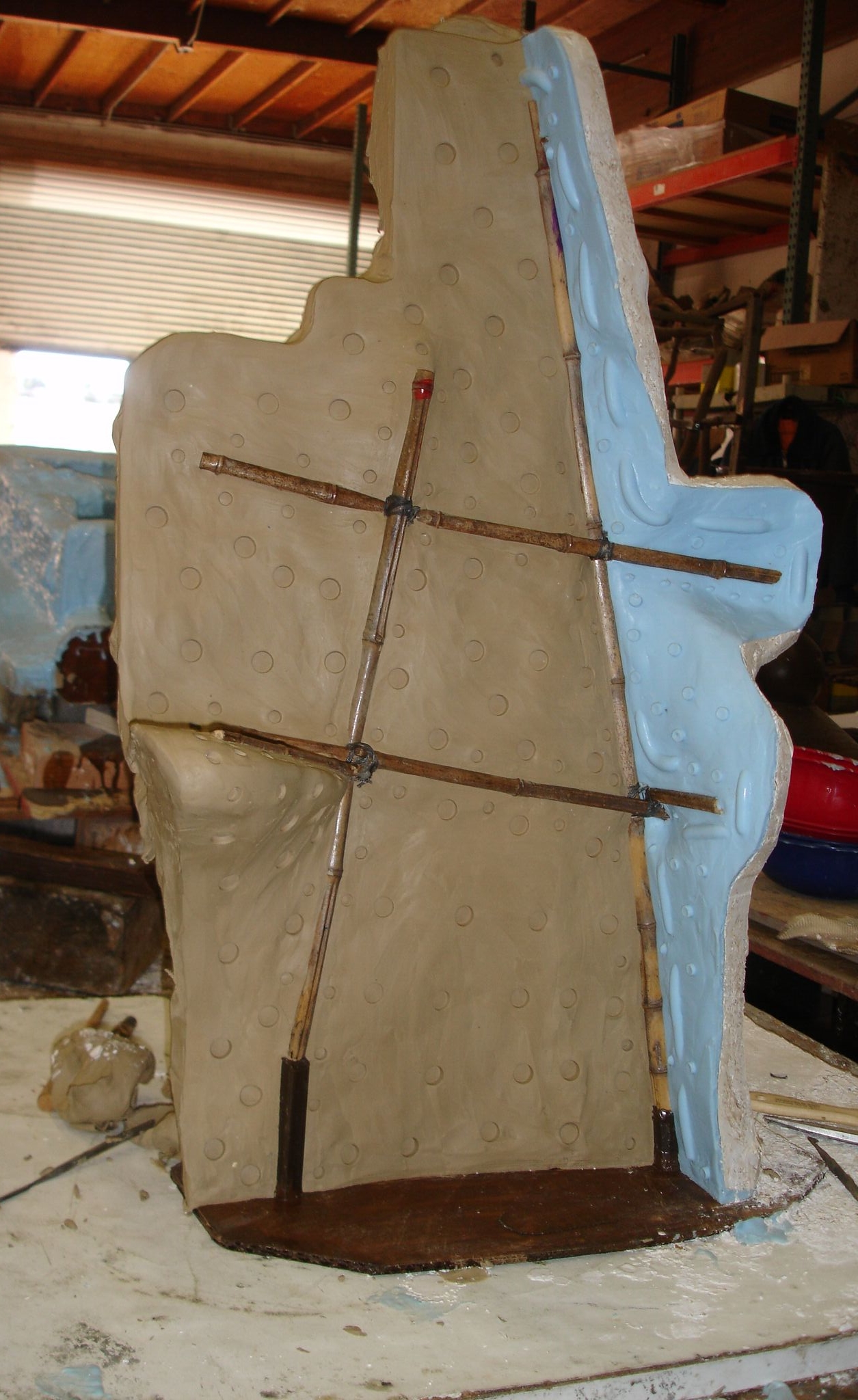
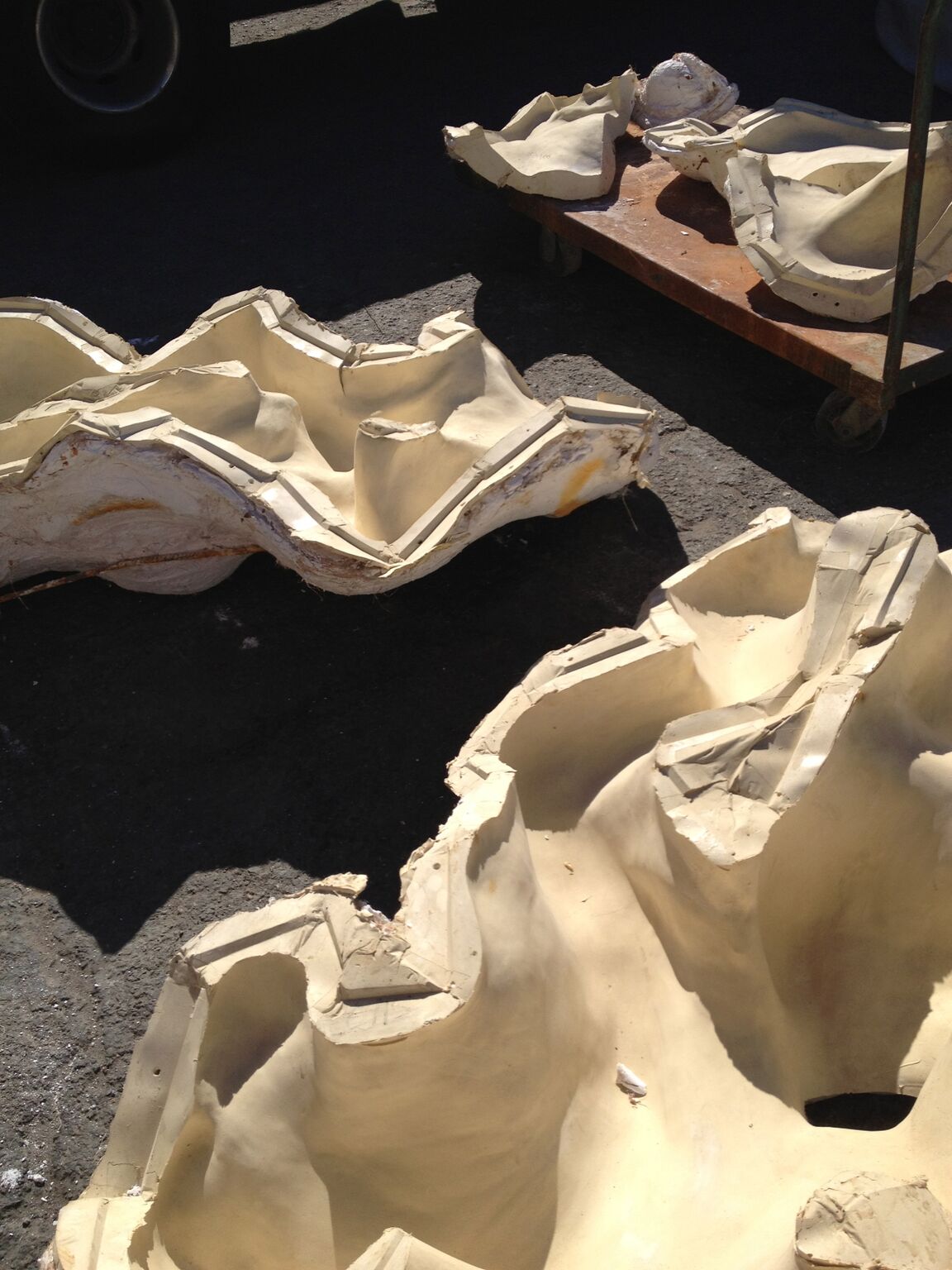
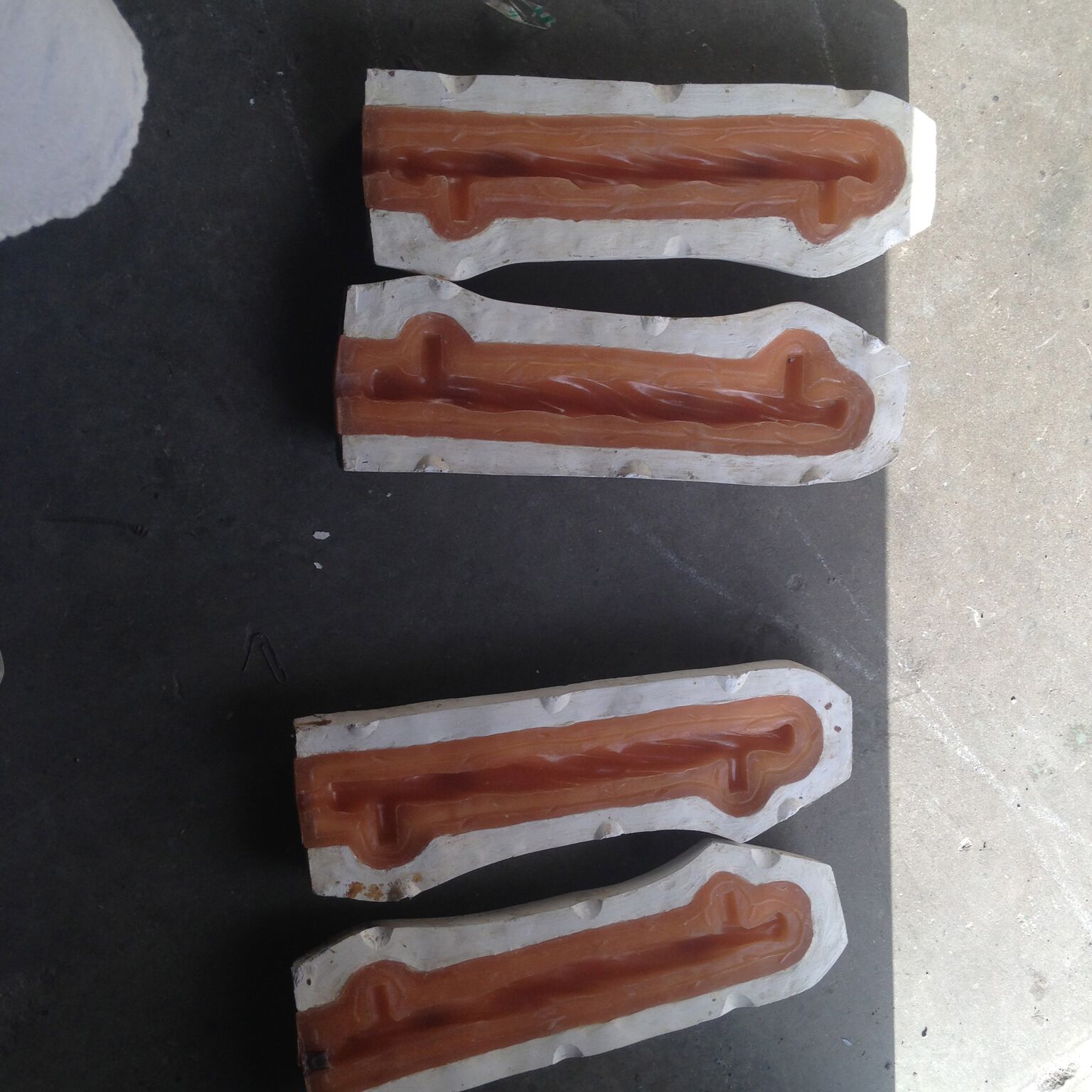
With your mold complete, the next step is creating the wax—the exact replica of your original that will eventually be cast in bronze. With over 30 years of experience pouring wax for contemporary artists and sculptors, we’ve learned that the quality of everything downstream depends on getting it right at this stage.
We pour molten wax into your silicone mold and let it sit just long enough for a thin, even layer—about 3/16 of an inch—to set against the mold wall before pouring out the excess. This leaves a hollow wax shell that captures every detail your mold holds. Hollow is a deliberate choice: bronze shrinks as it cools, and thick, uneven sections can trap voids and porosity. A thin, consistent wall solidifies cleanly, and the wax stage is where that wall is established.
That control over wall thickness is also how we solve unusual requests. Robert once built a wax thinner than the usual 3/16—closer to paper—for a sculpture of a smoking pipe with a three-foot vertical plume of smoke. Because it was cast so thin, the bronze plume was light enough for the pipe to carry its weight and stand upright. A few millimeters of wax made the difference between a plume that stood and one that was too heavy.
Once the wax has cooled and firmed up, we gently pull it from the mold. This is where experience earns its keep: a wax pulled too soon distorts, and delicate passages can tear if rushed. From there, every wax is cleaned and detailed by hand. We remove seam lines left by the mold, touch up small imperfections, and check the surface against your original to ensure the wax is faithful in every respect. Nothing reaches the next stage until it is right.
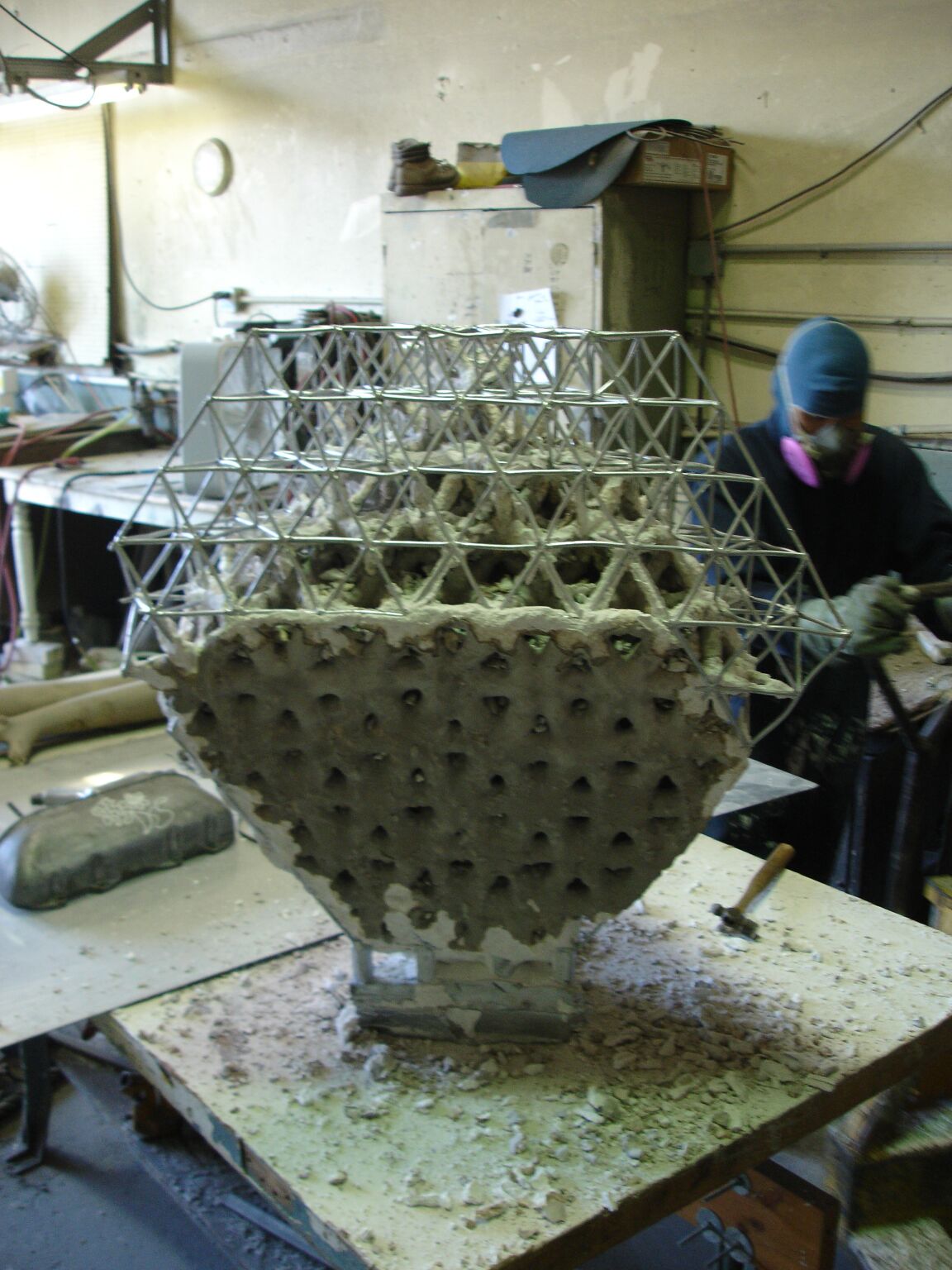
For larger or more complex pieces, the wax may come out of the mold in multiple sections that we then assemble, carefully aligning and welding the wax together so the joins disappear. It is painstaking work, but it allows us to cast sculptures far too large or intricate to mold in a single pull.
Every sculpture brings its own challenges inherent to the piece. For a relief with fine lettering we completed recently, we preheated the mold to ensure the wax flowed fully into every shallow recess before setting. The same care applies to the fine details that give a figure life—the curve of a nostril or an individual tuft of hair. Reading each piece and adjusting our approach is a judgment that only comes from decades of experience.
From our Oxnard foundry just outside Los Angeles, we prepare every wax by hand for contemporary artists across the LA area. Once your wax is cleaned, detailed, and approved, it is ready for gating and the ceramic shell—the next stage on its way to bronze.
We wanted to add those details. I am currently working with my son on compiling a list of artists and galleries we have worked with (such as Ace Gallery, Blum & Poe, and David Kordansky Gallery), and perhaps we can address that once these revisions are finished.